Makalu Base Camp Trek

Nepal

19 Days

US$1,800

This trip includes

Ground transportation in Nepal

Hotels & tea-house accommodation

All meals except in Kathmandu

Local flights cost covered in itinerary

Guided tour & trek throughout the trip

2 - 16 pax

Summer, Autumn

Moderate

Nepal

4,870 m

Makalu Base Camp Trek Highlights

  • Scenic mountain flight to Tumlinghar with panoramic views of the Himalayas.
  • Walk across the untouched Arun Valley with green forests, terraced lands, and falls.
  • Cross mountain passes such as Shipton La and Keke La, with amazing Himalayan views.
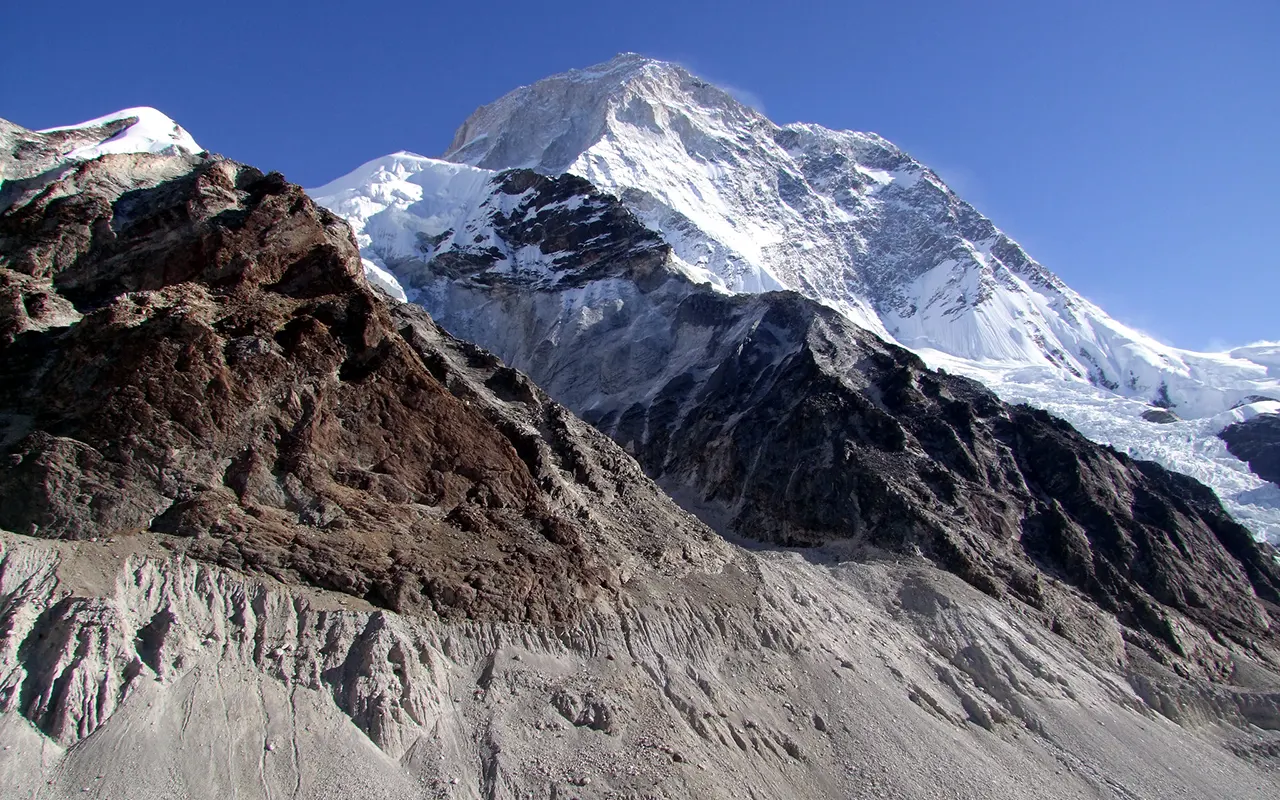
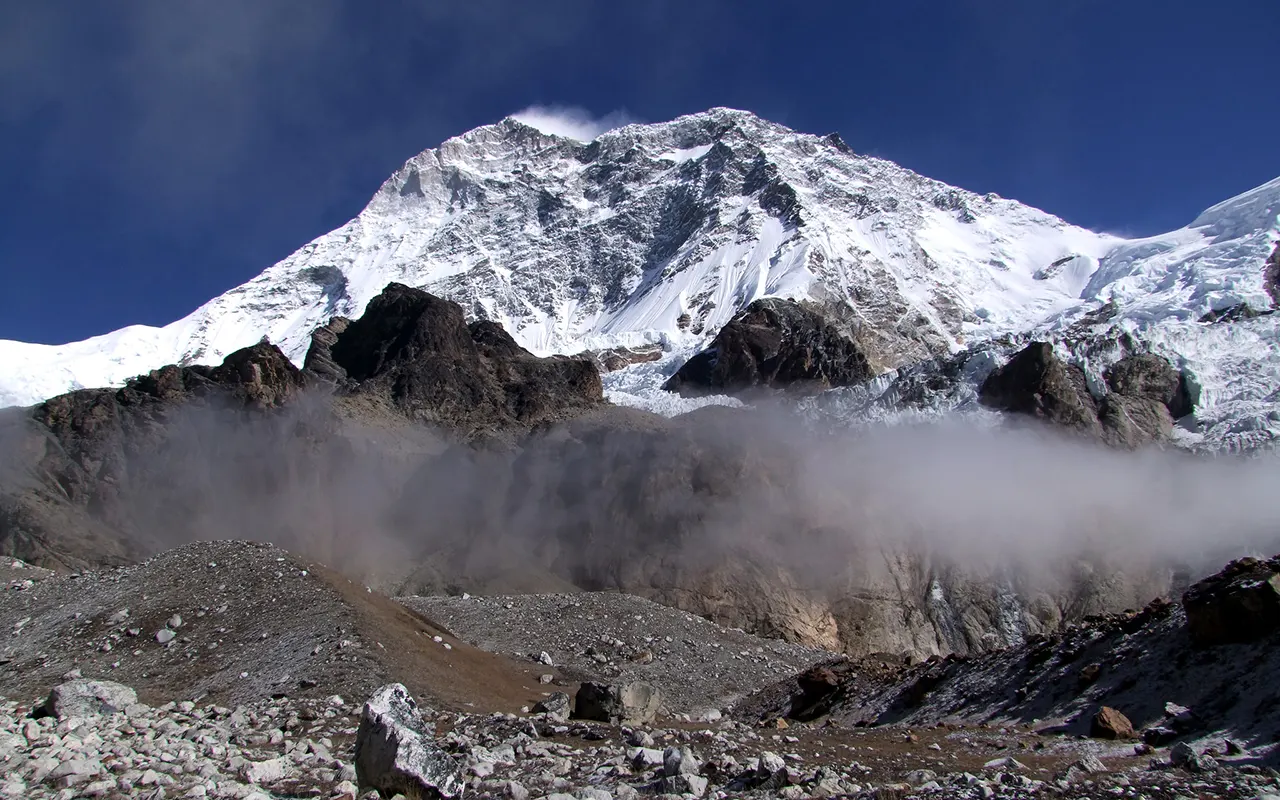
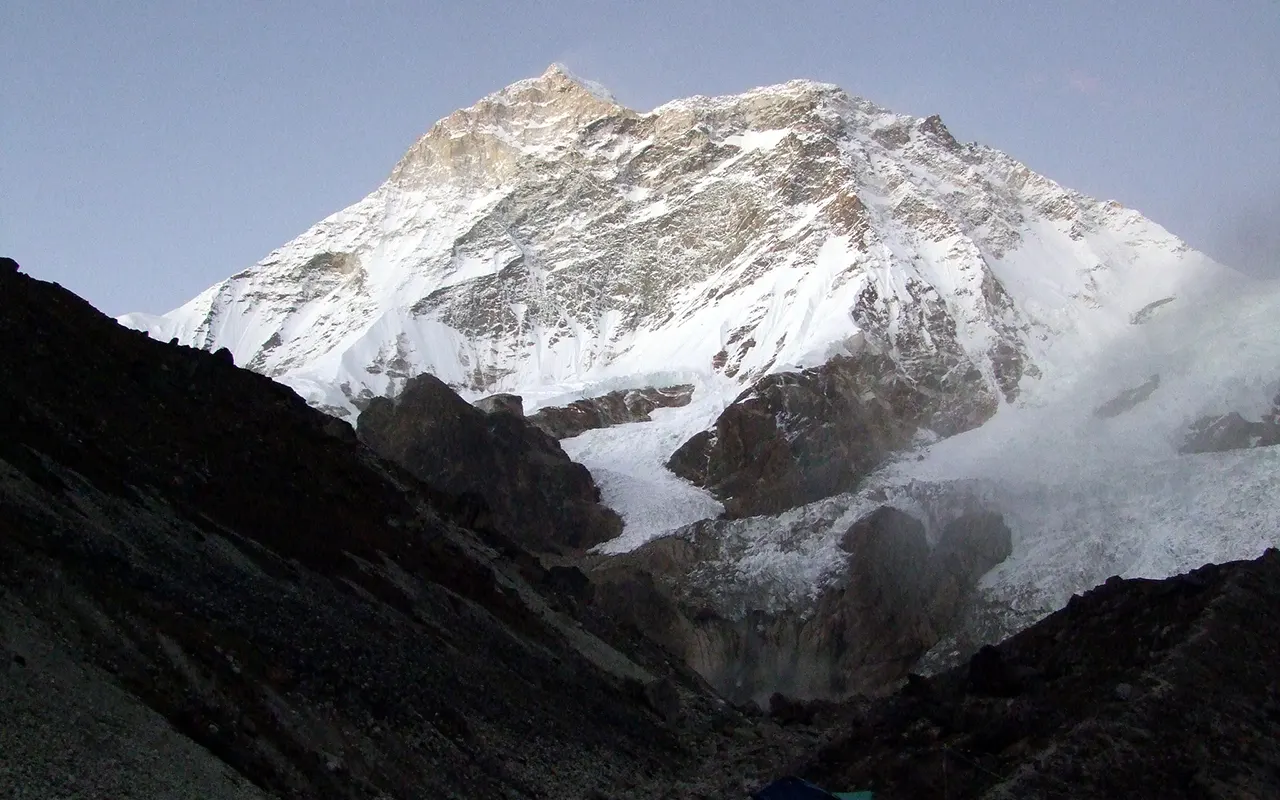
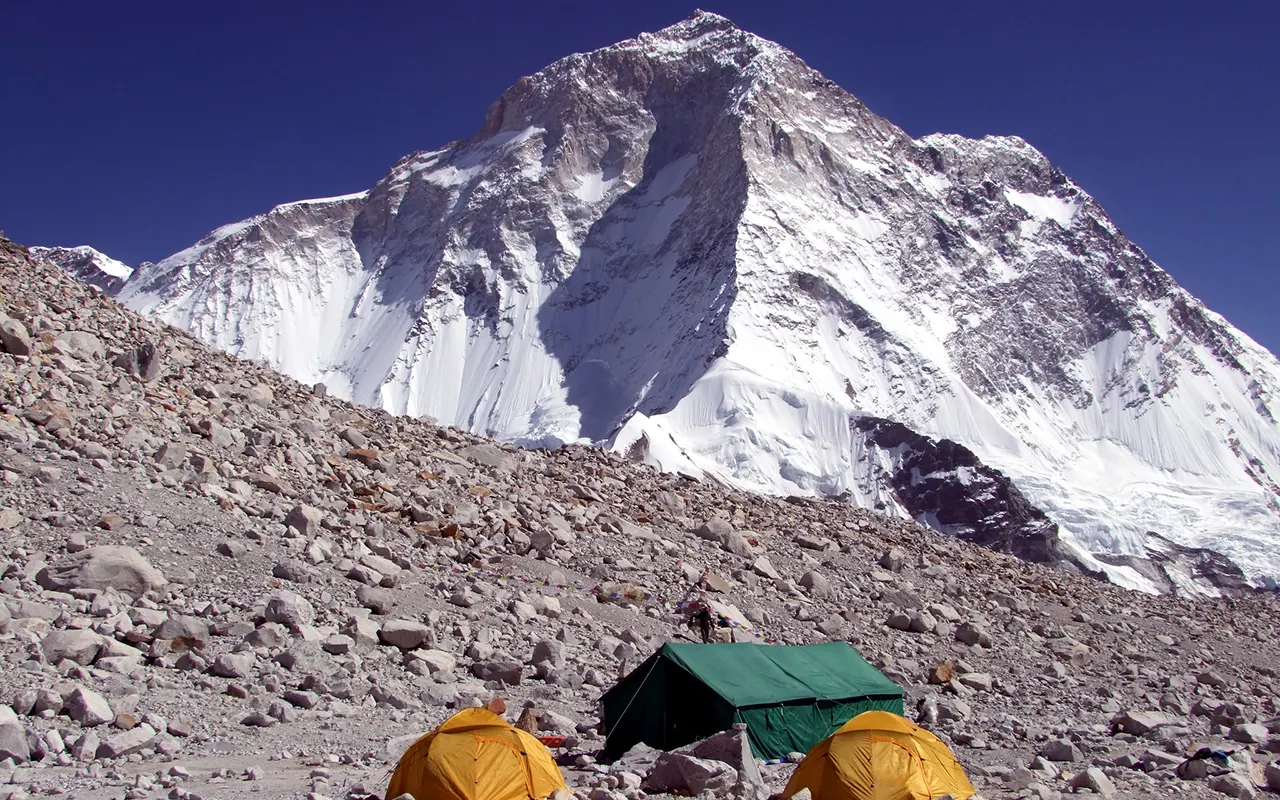
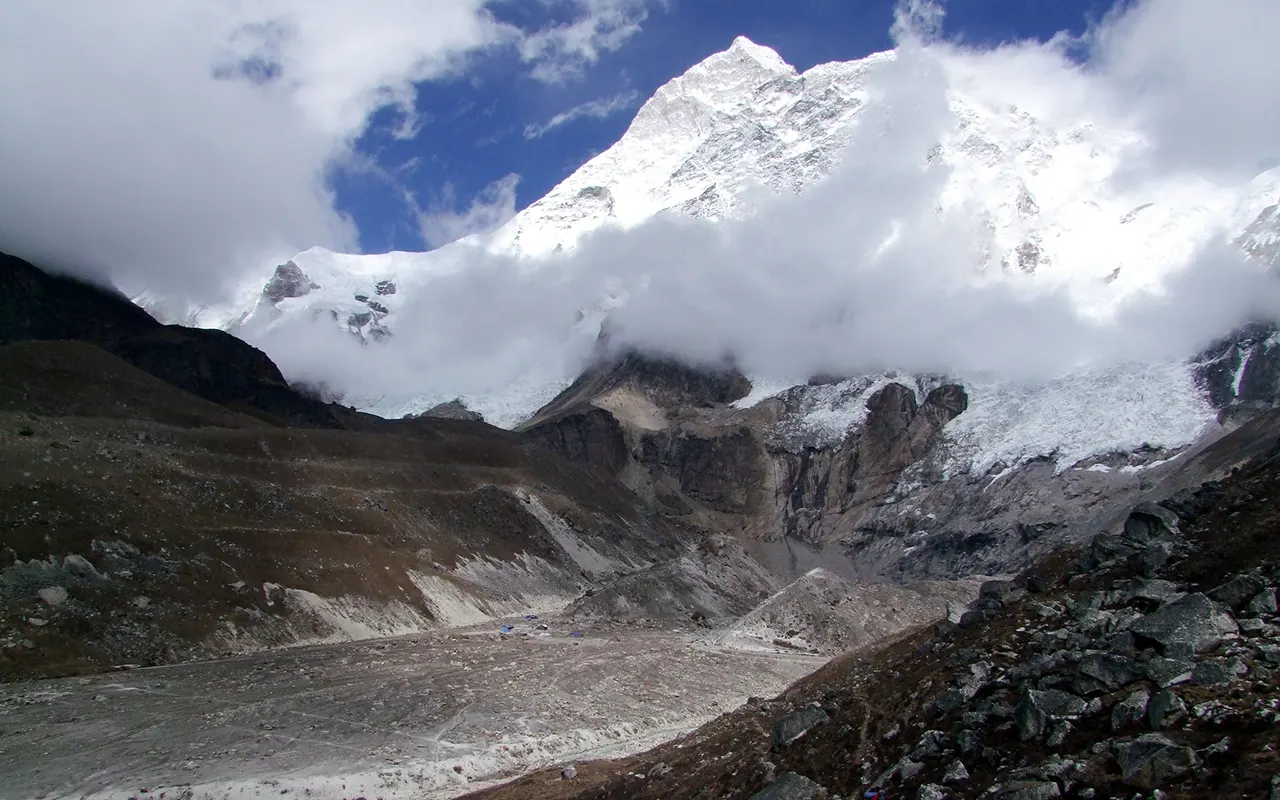
  • Witness Makalu Base Camp (4,870m), the foot of the fifth-highest mountain in the world.
  • Explore the Makalu-Barun National Park, a clean haven of a variety of plants and animals.
  • Visit local villages, monasteries, and the local culture of Sherpa and Rai.
  • Enjoy friendly hospitality in rural teahouses on an off-road trekking trail.

Makalu Base Camp Trek Overview

Makalu Base Camp Trek, the walk that takes you to the base of Mount Makalu, the fifth-highest mountain in the world, standing at 8,463 m (27,766 ft), is one of the most pristine and beautiful treks in the world. This remote trek in eastern Nepal offers trekkers a deep wilderness experience and a combined perspective on the spectacular scenery and diverse culture, without having to walk on busy trails.

The Makalu Base Camp Trek will expose you to Makalu-Barun National Park, a protected area spanning from 500 m (1,640 ft) to the highest Himalayan summits, one of the richest trekking destinations worldwide. My Everest Trip will handle everything for you so that you can enjoy this trek to the fullest.

The trek starts with a breathtaking flight to Tumlingtar, followed by a rough drive to Num, where the walking route begins. The Makalu Base Camp Trek then passes along the fertile Arun Valley, terraced farmlands, thick rhododendron forests, and the high alpine meadows. You can see wildlife, including Himalayan thar, musk deer and pheasants, and this trek is a heaven for nature lovers.

The Makalu Base Camp Trek is secluded and untouched. This is in contrast to Everest or Annapurna, which are largely busy, with trails that pass through modern villages of the Sherpa, Rai, and other nearby communities. The rich cultural setting features friendly locals, colourful prayer flags, and ancient monasteries. The daily hikes offer trekkers rewards in the form of waterfalls, glacial rivers with suspension bridges, and mountainous views.

The final success is made at Makalu base camp, 4,870 m (15,978 ft), where you are standing under the big south face of the mountain Makalu, with the ice peaks surrounding you and a feeling of victory.

The Makalu Base Camp Trek is difficult but highly rewarding, ideal for the trekker who is fit and has a spirit of adventure. Through proper acclimatisation and guidance from experienced locals, it offers not only breathtaking scenery but also personal growth, rich cultural experiences, and memorable encounters with the rugged eastern Himalaya.

Daily Itinerary

Day 01

Arrival in Kathmandu (1,400m / 4,593ft)

Your Makalu Base Camp Trek will start with your landing in Kathmandu, which is the dynamic capital of Nepal. Once arrived at Tribhuvan International Airport, our staff from My Everest Tip will welcome you and take you to a comfortable 3-star hotel located in Thamel.

The initial day of the trek is reserved as a relaxing day to enable you get to know Nepal a little better. You can spend your time in the hotel and visit the streets, shops and cafes of Thamel.

A briefing about the Makalu Base Camp Trek will be done by your guides in the evening. Spend your night at peace because tomorrow you start the Himalayan adventure.

Itinerary Details
Itinerary Fact Details
Accomodations
3-star Hotel
Highest Altitude
1,400m

Day 02

Kathmandu Sightseeing and Trek Preparation (1,400m / 4,593ft)

Day 2 of the Makalu Base Camp Trek is devoted to preparation and cultural exploration. You have breakfast in the hotel and go with your guide to have a complete orientation of the Makalu Base Camp Trek route, hours to be walked, safety, and altitude issues. The required documents and licenses to Makalu-Barun National Park and the local government are organised on the same day.

After all the arrangements are made, you can take a sightseeing tour around Kathmandu Valley, which is optional. A visit to well-known UNESCO World Heritage Sites can provide a better insight into Nepal’s history and life based on spirituality.

During the afternoon, you might want to make last-minute purchases of trekking equipment, snacks or batteries in Thamel. It is a rest day, and you get to acclimatise to Nepal before you get into the remote mountains.

Itinerary Details
Itinerary Fact Details
Meals
Breakfast
Accomodations
3-star Hotel
Trek Distance
Local city travel
Highest Altitude
1,400m
Trek Duration
3–4 hours

Day 03

Fly Kathmandu to Tumlingtar, Drive to Num (1,560m / 5,118ft)

We will take an early flight to Tumlingtar. The scenic flight is short but gives a scenic view of the hills, rivers, and the distant Himalayan mountains.

Once in Tumlingtar, the trip is made by jeep to Num.  The drivegoes through woods and little villages like Khadbari and Chichila. Despite the rough ride, the ride shows off the rural life and transforming landscapes in Nepal. It is not till afternoon that you reach Num, a village in the hills, with deep valleys on either side. This is the starting point of the Makalu Base Camp Trek on foot.

Itinerary Details
Itinerary Fact Details
Meals
Breakfast, Lunch & Dinner
Accomodations
Teahouse
Trek Distance
Flight & 40 km drive
Highest Altitude
1,960m
Trek Duration
35 min flight, 4 hrs drive

Day 04

Trek from Num (1,560m / 5,118ft) to Seduwa (1,500m / 4,921ft)

The actual walking starts today for the Makalu Base Camp Trek, a challenging yet rewarding walk to Seduwa. The path, after breakfast, descends very abruptly in stone steps through terraced fields and through bamboo woods. The steep path leads down to the Arun River, where the trail crosses a hanging bridge over foaming water.

Here, the trail ascends slightly, sharply, upwards, for several hours, and gives your muscles a workout upon stone steps and wood walks. As you climb, you are enclosed with tropical plants, and the back view gradually reveals the valley.

At the midway, you enter Makalu-Barun National Park, a protected wilderness. Towards evening, you arrive in Seduwa, a small village, teahouses, and farmland. Then, at the end of a long day, eat something warm and sleep.

Itinerary Details
Itinerary Fact Details
Meals
Breakfast, Lunch & Dinner
Accomodations
Teahouse
Trek Distance
8 km
Highest Altitude
1,560m
Trek Duration
5–6 hours

Day 05

Trek from Seduwa (1,500m / 4,921ft) to Tashigaon (2,100m / 6,890ft)

The Makalu Base Camp Trek trail is less steep and pleasant today as you head to the last permanent village on the trail, Tashigaon. The road, leaving Seduwa, goes up through greenery in rhododendron, pine and bamboo. There are many walls and prayer flags on the path that indicate the high Sherpa Buddhist culture in the area.

You walk past small farms, cardamom fields and streams that are silent, and this makes the walk serene and picturesque. The Makalu Base Camp Trek trail presents an easy combination of stone steps and dirt paths and does not have any steep challenges. The path leads on uniformly after arriving at a vantage point at ChyaksaDanda to Tashigaon.

This is an attractive village that is located on a ridge that is defined by terraced fields and mountain views. Spend the time having a relaxing evening, because tomorrow the Makalu Base Camp Trek is getting more challenging and goes to a higher elevation.

Itinerary Details
Itinerary Fact Details
Meals
Breakfast, Lunch & Dinner
Accomodations
Teahouse
Trek Distance
8 km
Highest Altitude
2,100m
Trek Duration
5–6 hours

Day 06

Trek from Tashigaon (2,100m / 6,890ft) to Khongma Danda (3,500m / 11,483ft)

It is among the most challenging days of the Makalu Base Camp Trek, and a long and gradual ascent to a greater height. The trail leaves Tashigaon, and ascending on the spot, passes thick rhododendron and oak.

Up the stone steps you climb for several hours, with no other company than nature, forest and mountain air. There is a rest on the road in Dhara, which is the last teahouse before Khongma, but here the road is steeper and more difficult.

Slowly, vegetation is altered with the thinning of trees to alpine shrubs. It is so remote, and all that surrounds the Makalu Base Camp Trek is wilderness. You have taken hours of walking and arrive at KhongmaDanda, a settlement on the ridge-top, with primitive lodgings.

Today, the altitude gain is high, so ensure that you rest well, keep warm and hydrate extensively to promote acclimatisation.

Itinerary Details
Itinerary Fact Details
Meals
Breakfast, Lunch & Dinner
Accomodations
Teahouse
Trek Distance
7.2 km
Highest Altitude
3,500m
Trek Duration
6–7 hours

Day 07

Acclimatisation Day at Khongma Danda (3,500m / 11,483ft)

The Makalu Base Camp Trek has acclimatisation and thus today is chosen to make your body accustomed to the altitude. You then make a short, steep hike after breakfast to Khongma La Pass. The path leads through the shrubs and open slopes steadily increasing in height.

The reward for going to the pass, when the weather is clear, is prayer flags and extensive panoramic views of the nearest valleys and peaks. You spend some time at the pass, and now you go down to KhongmaDanda to have lunch.

The afternoon is left at liberty to rest, relax and appreciate the peaceful mountain atmosphere. It promotes hydration, warm clothes, and slight movement. The Makalu Base Camp Trek is a preparation day to pass the high passes that await you next on this trek.

Itinerary Details
Itinerary Fact Details
Meals
Breakfast, Lunch & Dinner
Accomodations
Teahouse
Trek Distance
3 km (round trip)
Highest Altitude
3,890m
Trek Duration
2–3 hours

Day 08

Trek from Khongma Danda (3,500m / 11,483ft) to Dobate (3,068m / 10,066ft) via Shipton La (4,200m / 13,780ft)

It is one of the most thrilling and difficult days of the Makalu Base Camp Trek today, since you will traverse a mountain pass. LeavingKhongmaDanda early, the road ascends again to Khongma La and then passes over rocky ridges and stone steps. It is a walk that requires some stamina and concentration through numerous ups and downs.

You cross Sano Pokhari, a holy alpine lake, where prayer flags are fluttering, and then continue to hike up. The most exciting thing about the day is the walk across Shipton La Pass, where one can witness the breathtaking landscape of Mount Makalu.

Then the trail goes down and crosses KaloPokhari and the Keke La. A vine-filled shrubbery walk of considerable length leads down to Dobate, a small resting-place and a pleasant lodge, after a tiring day.

Itinerary Details
Itinerary Fact Details
Meals
Breakfast, Lunch & Dinner
Accomodations
Teahouse
Trek Distance
7.6 km
Highest Altitude
4,200m
Trek Duration
6–7 hours

Day 09

Trek from Dobate (3,068m / 10,066ft) to Yangri Kharka (3,557m / 11,670ft)

The Makalu Base Camp Trek path then leads downwards through the woods, through rhododendron and pine, in which the atmosphere seems somewhat warmer and greener on this day. You pass streams and steep mountain slopes, which provide a feeling of the wild nature of the region.

On reaching the River Barun, the road goes upstream and passes through open pastures. ThemathangKharka offers a rest stop and a beautiful waterfall in the area. On a wooden bridge, a path is followed through groves of junipers and minor rises and falls.

It is by noon that you reach YangriKharka, a large grassy area by the river. The location is in the midst of cliffs and alpine landscapes, and it is one of the memorable experiences of the Makalu Base Camp Trek.

Itinerary Details
Itinerary Fact Details
Meals
Breakfast, Lunch & Dinner
Accomodations
Teahouse
Trek Distance
9.7 km
Highest Altitude
3,557m
Trek Duration
5–6 hours

Day 10

Trek from Yangri Kharka (3,557m / 11,670ft) to Langmale Kharka (4,410m / 14,469ft)

Today Makalu Base Camp Trek is extended to the further regions of the upper Barun Valley, and the landscape is becoming more dramatic with each step. The trail that is taken along the Barun River is primarily easy walking and gives you time to appreciate the scenery.

You complete juniper shrubs, barren fields and yak fields, and looming cliffs and snowy mountains become nearer. The sound of the river and the flags on the way make the scenery peaceful. JhakKharka and Yak Kharka are followed by Merek with a small teahouse serving a welcome lunch break and marvellous mountain scenery.

Here, the path ascends slowly with the rise in altitude. Towards the late afternoon, you reach LangmaleKharka, which is located in a broad and alpine basin, surrounded by mountains. The high camp is an important milestone of the Makalu Base Camp Trek.

Itinerary Details
Itinerary Fact Details
Meals
Breakfast, Lunch & Dinner
Accomodations
Teahouse
Trek Distance
10.5 km
Highest Altitude
4,410m
Trek Duration
5–6 hours

Day 11

Trek from Langmale Kharka to Makalu Base Camp

It is the most adventurous day of the Makalu Base Camp Trek today as we have finally reached the base camp. We leaveLangmaleKharka (4,410m / 14,468 ft) and trace the Barun Valley on an ascending trail that goes increasingly higher. The roads run through rocky areas, gravel moraines, and open expanses with minimal vegetation.

Several hours later, we are on top of Shershong (4,630m / 15,190 ft), and the first clear glimpses of Mount Makalu can be seen. At this point, the path is a little more difficult and has boulder sections, although the payoff is enormous. In a short time, we reach Makalu Base Camp (4,870m / 15,978 ft), which is literally at the foot of the huge southwest side of Mt. Makalu.

Itinerary Details
Itinerary Fact Details
Meals
Breakfast, Lunch & Dinner
Accomodations
Teahouse
Trek Distance
8.7 km
Highest Altitude
4,870m
Trek Duration
5–6 hours

Day 12

Explore Makalu Base Camp – Acclimatisation Day

This day of the Makalu Base Camp Trek will be a rest, acclimatisation and exploration day. Take time to spend the night at Makalu Base Camp (4,870m / 15,978 ft) and have time to yourself at the high altitude, as well as marvel at the Himalayan views. You can then have an optional hike after breakfast to a ridge or viewpoint nearby of approximately 5,300m (17,388 ft).

From this perspective, the mountain sceneries are stunning. Mount Makalu is soaring high above you, and with a clear day, you can see Everest, Lhotse and Baruntse in the distance. Light-day seekers have the opportunity to visit glacial lakes, prayer-flag perspectives, or just relax at the base camp.

Itinerary Details
Itinerary Fact Details
Meals
Breakfast, Lunch & Dinner
Accomodations
Teahouse
Highest Altitude
5,300m

Day 13

Trek from Makalu Base Camp to Yangri Kharka

We start on the Makalu Base Camp Trek and return after an experience of a lifetime in the base camp. Makalu Base Camp (4,870m / 15,978 ft) is our starting point, and we head back the same way we went up the Barun Valley. The return is long and less arduous, and with less difficulty, as we lose altitude, we breathe more easily.

Crossing Shershong and LangmaleKharka, we have a view of familiar scenery in a new outlook. The valley is slowly turning green, and the rocky terrain is substituted by alpine grassland. We have tea and lunch stops on the way, and have a pleasant downhill stroll.

Towards the end of the afternoon, we come to YangriKharka (3,557m / 11,670 ft), a quiet river meadow. It is a long, yet satisfying day, the first of the easy-going back part of the journey.

Itinerary Details
Itinerary Fact Details
Meals
Breakfast, Lunch & Dinner
Accomodations
Teahouse
Trek Distance
16 km
Highest Altitude
4,870m
Trek Duration
7–8 hours

Day 14

Trek from Yangri Kharka to Dobate

On today’s Makalu Base Camp Trek, we go through the beautiful Barun Valley down the mountain. Leaving YangriKharka (3,557m / 11,670 ft), we descend the Barun River on a trail which is, on the whole, easy. It is a pleasant stroll and cuts through rhododendron woodland and bamboo groves, and the murmur of running water accompanies us.

After 1.5 hours, we get over a wooden bridge at ThemathangKharka. Soon, we pass a well-known piece of landslide, agonisingly through the rubble of rocks. Beyond this point, the trail swings up and down gently along the hillside. In the last part, there is a brief yet steeper uphill stretch through foggy woodland and then Dobate (3,068m / 10,066 ft).

Itinerary Details
Itinerary Fact Details
Meals
Breakfast, Lunch & Dinner
Accomodations
Teahouse
Trek Distance
9.3 km
Highest Altitude
3,557m
Trek Duration
6–7 hours

Day 15

Trek from Dobate to Danda Kharka via High Passes

It is one of the most difficult but the most rewarding days of the Makalu Base Camp Trek. We leaveDobate (3,068m / 10,066 ft) early and start ascending the high Passes. Following a gradual climb, we arrive at the Keke La Pass (4,170m / 13,681 ft), where beautiful Himalayan landscapes emerge.

We keep on up the ridge to the highest point of the day, Shipton La Pass (4,200m / 13,780 ft). This great crossing is marked by prayer flags and stone cairns. Here, the path leads down over Sano PokhariDanda and its sacred lake to Khongma La (3890m / 12762ft).

The trail goes down sharply through wooded slopes to KhongmaDanda and even more to DandaKharka (2,900m / 9,514 ft). This is a refreshing place to rest after a tiring day, with the presence of greenery.

Itinerary Details
Itinerary Fact Details
Meals
Breakfast, Lunch & Dinner
Accomodations
Teahouse
Trek Distance
10.3 km
Highest Altitude
4,200m
Trek Duration
6–7 hours

Day 16

Trek from Danda Kharka to Seduwa

Onthis day, we leave the high mountains and head down to the low villages. The trail begins with DandaKharka (2,900m / 9,514 ft), and the path goes downhill consistently, traversing thick rhododendron and oak forests. As we descend in altitude, the air turns warmer, and the vegetation becomes thick.

Several hours further, we arrive at Tashigaon (2,100m / 6,890 ft). The terraced fields and the old houses are a hint of returning to the civilised world. We have a brief rest and then proceed down stone steps and mountain paths.

On our way out of the national park area, the road goes through fields, bamboo groves and little streams. It is late in the afternoon when we get back to Seduwa (1,500m / 4,921 ft). The village and relaxing air are a welcome relief after spending days in the wilderness at high altitude.

Itinerary Details
Itinerary Fact Details
Meals
Breakfast, Lunch & Dinner
Accomodations
Teahouse
Trek Distance
12 km
Highest Altitude
2,900m
Trek Duration
7–8 hours

Day 17

Trek from Seduwa to Num, then drive to Tumlingtar

It is the last trekking day of the Makalu Base Camp Trek. We start with breakfast in Seduwa (1,500m / 4,921 ft), and then start a long descent on stone steps in the forest and terraced farmland.

The big suspension bridge across the river Arun follows, and then the last upward ascent to Num begins. The final climb is not that difficult, but can be completed at a slow pace. It is the official end of the trekking part of the Makalu Base Camp Trek to reach Num (1,560m / 5,118 ft).

Then we take a brief break and pass through beautiful hills and villages to Tumlingtar (410m / 1,345 ft) in a vehicle. The green, nearly tropical environment is quite contrasting with the steep mountains.

Itinerary Details
Itinerary Fact Details
Meals
Breakfast, Lunch & Dinner
Accomodations
Lodge
Trek Distance
8.9 km trek + 40 km drive
Highest Altitude
1,560m
Trek Duration
4–5 hrs trek, 3–4 hrs drive

Day 18

Fly from Tumlingtar to Kathmandu

We have a brief flight after breakfast to Kathmandu, which brings the Makalu Base Camp Trek adventure to an end. The visuals of a flight between Tumlingtarand Kathmandu give one final aerial impression of hills, rivers and mountains in the far back.

On your arrival in Kathmandu (1,400m / 4,593 ft), you will be transferred to a hotel in Thamel. The remaining day is at liberty to rest and indulge in comforts after days in the trail. The Makalu Base Camp Trek is one activity that can make a hot shower, a good meal or a massage particularly satisfying.

A special farewell dinner is also organised in the evening to congratulate your successful journey. It is an ideal moment to share experiences, savour Nepali foods, and recollect the experience of a lifetime in the remote Himalayas.

Itinerary Details
Itinerary Fact Details
Meals
Breakfast, Dinner
Accomodations
3-star Hotel
Highest Altitude
1,400m
Trek Duration
35–40 minutes

Day 19

Final Departure from Nepal

Today, the grand Makalu Base Camp Trek experience of yours is officially over. We schedule a personal transfer to Tribhuvan International Airport after breakfast, which will be on schedule based on your flight schedule. When you say goodbye to Kathmandu, you should have a look back at what you have accomplished, and you have some of the remotest valleys, mountain passes, and memories of standing on Makalu Base Camp.

In case your flight is later in the day, you can do the last-minute shopping in Thamel or take a quick walk within the city. Individuals who want to extend their visit may seek our assistance in extending the trip, such as a visit to Pokhara, a jungle safari in Chitwan, or another Himalayan trek.

You leave Nepal with the same sense of accomplishment in your mind about the tall mountains and the silent trails into the mountains. We wish you a pleasant journey home and a repeat visit to the Himalayan adventure.

Itinerary Details
Itinerary Fact Details
Meals
Breakfast

What To Expect?

What's included

  • Private drop off and pick up at Kathmandu airport.
  • 3 days of stay in Kathmandu at a normal hotel with breakfast.
  • Domestic round-trip air travel from Kathmandu to Tumlingkar to Kathmandu.
  • Transportation between Tumlingtar and Num (the start point of the trek).
  • Lodging in twin-sharing basic lodgeson the trek.
  • Food throughout the trek (Breakfast, Lunch, and Dinner).
  • Trekking guide with experience in the Makalu region, professional and English speaking.
  • Required trekking permits, Makalu-Barun National Park entry permits, local countryside municipality fees and TIMS card (Trekkers Information Management System).
  • Every tax of the government and fee for handling paperwork.
  • A medical kit and an oximeter to check the oxygen saturation in the air.
  • Free trekking map and duffel bag (if needed) for My Everest Trip.
  • We also cater to dietary needs (vegetarian, vegan, etc.) with prior information.

What's not included

  • Airfare to/from Nepal and Nepal entry visa charge.
  • Travel insurance (compulsory, including evacuation emergency cover)
  • Lunches and Dinners in Kathmandu are at your own expense.
  • Excess baggage fees apply to domestic flights (beyond the 15kg limit)
  • Personal trekking equipment (clothing, boots, sleeping bag – can be rented at Kathmandu)
  • Tips for guides and porters at the end of the trek (as per your satisfaction)
  • Extra porter service if you require additional porters
  • Personal costs like snacks, bottled beverages, hot showers, Wi-Fi, and charging, etc.
  • Any expenses caused by uncontrollable circumstanceslike delays, natural calamities or personal crises (which are to be compensated by your travel insurance or your own finances)
  • Side trips or activities not included in the itinerary (e.g. tours, extra nights of accommodation because of schedule adjustments)
Tripadvisor Reviews
Google Reviews

Additional Information

Trek Difficulty, Challenges & Trail Conditions

The Makalu Base Camp Trek is not very easy and should be done by trekkers with good fitness and some trekking experience. It has one of the primary challenges; it is a remote trek, and the amenities are extremely limited. The path has lengthy, steep ascents and descents, with some sections on stone steps and rocky tracks. You will walk 6-7 hours per day.

Another significant obstacle is altitude. The trek’s highest elevation is at Makalu Base Camp at 4,870m (15,978 ft), and an optional side trail extends to approximately 5,300m (17,388 ft). Owing to this, adequate acclimatisation is essential to prevent altitude sickness. The weather may also be challenging, with hot, humid conditions in lower camps and cold, windy conditions in high camps.

Although the Makalu Base Camp Trek is not easy, the path is mostly clear and used by locals. The challenges can be handled and extremely satisfying with proper preparation, patient and determination.

Best Time to Visit Makalu Base Camp Trek

The Makalu Base Camp Trek has the best seasons: spring and autumn, when the weather and trail conditions are at their best. Spring (March to May) is mild, with blooming rhododendron forests and clear mountain views. The day is very nice for walking, whereas it is cold at night when you move to higher elevations, such as Makalu Base Camp at 4,870m (15,978 ft).

Another perfect time for the Makalu Base Camp Trek is in autumn (September to November). The skies are clear after the monsoon, and the mountains are visible at a distance. The climate is arid and predictable, but in high-altitude areas, it may be freezing at night. This is the time to go on a photo trip and on a leisurely hike.

Monsoon brings heavy rain, slippery trails, and leeches, making trekking hard. It is very cold during the winter season, and the passes are covered with snow, and teahouses at high altitudes are closed.

Foods and Drinks

On the Makalu Base Camp Trek, the food is basic, healthy, and packs a punch, keeping you energized for long days on the trail. On the route, you will take three meals a day at the local teahouses that are all included in the My Everest Trip package. Breakfast consists of porridge, eggs, pancakes, or Tibetan bread with tea or coffee. Such dishes are part of preparing your body to trek higher and higher, as well as to spend the night in areas near 4,870m (15,978 ft) at the base camp.

Lunch and dinner are common in Nepali cuisine, including dal bhat (rice with lentils), lentil soup, and vegetables. Dal bhat is nutritious, filling, and normally free. Alternatives can also be noodle soup, fried rice, momos, or pasta, but it narrows down to the upper camps.

Staying hydrated is extremely critical on the Makalu Base Camp Trek. Boiled water can be served in teahouses, or you can get purification tablets. Hot beverages such as ginger tea are typical and warm. Consuming alcohol should be avoided because it can disrupt acclimatisation and hydration at high altitudes.

Transportation and Accommodation

The Makalu Base Camp Trek is a long-distance trek, accessible by both air and land transportation because the area is remote. The trip starts in Kathmandu and goes to Tumlingtar (about 35 minutes by air) within the country. This scenic air tour is weather-dependent, so it might be delayed.

Tumlingtar is then reachable by 4×4 jeep to Num at 1560m (5118 ft), for a bumpy but exciting 3-4 hour trip. All movement within Makalu Barun National Park is by foot once the trek commences, as the park has no roads.

Accommodation in Kathmandu is at a 3-star hotel. On the Makalu Base Camp Trek, accommodation is in simple teahouses. There are simple rooms with twin beds and shared toilets. Lodges are quite simple but cosy and welcoming at higher altitudes, such as Makalu Base Camp (4,870m, 15,978 ft), which contributes to the authentic trekking experience.

Altitude, Acclimatisation& Risk of Altitude Sickness

The Makalu Base Camp Trek is largely affected by altitude, with the trail ascending from Seduwa at 1,500 m (4,921 ft) to Makalu Base Camp at 4,870 m (15,978 ft), with an elevation difference of about 5,300m (17,388 ft). Oxygen decreases with altitude, and unmanaged altitude sickness can result.

The itinerary will also include acclimatisation days, including at Khongma Danda at approximately 3,500m (11,483 ft) and at the base camp itself. Such days of rest allow your body to adapt gradually. The symptoms are mild and common, such as headaches or nausea, and must be reported to your guide as soon as possible. It is quite important to drink as much water as possible, walk slowly, and avoid alcohol.

In extreme situations, altitude sickness may require an emergency descent. Some guides are trained and equipped with medical kits to check the oxygen levels. Most trekkers successfully go through the Makalu Base Camp Trek without incident with proper acclimatisation and caution.

Required Fitness Level & Trek Preparation Tips

The Makalu Base Camp Trek is physically challenging, and one needs to be in good physical condition. You must not feel weak when walking for 5-7 hours daily on steep, uneven paths. Before going, prior knowledge of the trek is a plus, particularly on a route where all-day ascents of more than 1,000m (3,281 ft) are involved. Good stamina, strong legs, and mental resilience are necessary.

The preparation must start at least 8-12 weeks before the trek. Cardio exercises like hiking, stair climbing, cycling, or jogging regularly will build endurance. Leg and core strength training make them more balanced and less fatigued. Train to walk with a backpack and put in early, before your trekking shoes get blisters.

Mental preparation is also relevant given the limited facilities and remote circumstances. The Makalu Base Camp Trek is a tough yet very fulfilling experience, provided you prepare properly, set realistic expectations, and approach it with a positive attitude.

Permits, Entry Fees & Nepal Visa Information

To take part in the Makalu Base Camp Trek, you require several formal permits. My Everest Trek will handle them, and they’re also included in the package. The primary permit is the Makalu Barun National Park Entry Permit, without which one cannot enter the conservation area. It is approximately NPR 3,000 per person (USD 25-30). You must also have a local rural municipality permit, which helps protect local societies. This is an average of NPR 2,000 (USD 15-20).

There is also a need of TIMS card (Trekkers Information Management System). We obtain all the permits on your behalf. All permits are prepared in Kathmandu before the trek; all that is required is a copy of your passport and photographs.

Moreover, every traveller requires a Nepal tourist visa, which is readily available at Kathmandu airport. The Makalu Base Camp Trek normally takes 30 days on a visa.

Health, Safety & Emergency Support During the Trek

The Makalu Base Camp Trek is in a remote, high-altitude area, so our priority is your safety. Your guide will be a highly qualified, certified, and experienced guide who has undergone first-aid training, understands altitude sickness, and is prepared for emergencies. The itinerary will include enough days of adequate acclimatisation to minimise health risks, and the guides will regularly check on you.

The team has a minimal medical kit, an oximeter to monitor oxygen levels, and an emergency kit. First aid is important in case of severe sickness or injury. Helicopter evacuation can be organised at convenient points in case of necessity, based on the weather.

In the Makalu region, communication is limited, but we have satellite connections, which can help guide those with phones or communicate with our office in case of an emergency. The Makalu Base Camp Trek is conducted in the most responsible way, with trained staff, proper planning, and clear safety procedures, so you can trek without any second thoughts.

Travel Insurance and Coverage

The Makalu Base Camp Trek will require travel insurance due to its remote, high-altitude location. Your insurance should cover trekking to high altitudes (at least to 5,000m / 16,404 ft) and emergency care and helicopter evacuation. Helicopter rescue is also very costly in Nepal; this coverage is necessary.

Trip cancellation or interruption should also be included in your policy, as flights to and from Tumlingtar may be delayed by weather. Insurance against lost or delayed baggage is highly advisable, particularly when you carry trekking equipment. You should ensure that trekking is not an extreme activity excluded from your policy.

We recommend insurance with 24/7 emergency support, as our team can organise rapid action if needed. Don’t leave your insurance information at home when you are on the trek; send us a copy in Kathmandu. With the right insurance, you can enjoy the Makalu Base Camp Trek to the fullest without having to worry about unnecessary things.

Mobile Network, Internet & Charging Facilities

The Makalu Base Camp Trek is located in one of the most isolated areas of Nepal,ited so there is limited mobile network and internet coverage. At least in the initial few villages, such as Num, Seduwa, and Tashigaon, Nepal Telecom (NTC) can offer weak signals that can only support short calls or short messages, whereas Ncell is typically inferior.

Beyond Tashigaon (e.g., Khongma, Dobate, YangriKharka, Langmale, and Makalu Base Camp (4,870 m / 15,978 ft)), there is no phone coverage, and people can only contact each other via a satellite phone, which is attended by guides in case of an emergency.

There is barely any internet connectivity. Very few low-altitude teahouses might have slow Wi-Fi at an additional cost. In lower villages, charging is usually charged at NPR 200-500 per device. The amount of solar energy in high altitudes is low. It would be advisable for travellers to carry power banks and extra batteries, and to keep devices warm to avoid battery depletion.

Language, Culture & Local Etiquette

The Makalu Base Camp Trek passes through villages where the Rai, Sherpa, and other ethnic groups live. The language of the country is Nepali, but the residents also use their local dialects. There is a lack of English, and some guides and lodge owners know a little basic English.

The most effective way to greet people is to just smile and say Namaste, which means hello. Dhanyabad (thank you) would always be welcome. Buddhist prayer flags, mani walls, and monasteries will be seen in Sherpa villages. When walking around mani walls, always walk to the left, and the prayer wheels should turn clockwise.

Dress modestly in villages. Do not wear clothes that are too short or revealing. And you should take off your shoes when visiting homes or monasteries and seek permission before taking pictures. Never take a photograph without asking someone.

Have respect for local culture, be courteous, patient, and approachable. These are mini things that make your Makalu Base Camp Trek worthwhile and unforgettable.

Your Extra Expenses

Most of the most overwhelming expenses are covered, but you must budget for some personal expenses during the Makalu Base Camp Trek. Lunch and dinner are excluded in Kathmandu; thus, one can spend between USD 10 and 15 per meal.

During the trek, you can pay for boiled water, tea, coffee, snacks, charging devices, and, in rare cases, hot showers in the lower villages. Electrical charges and hot showers tend to be additional.

It is customary to tip guides and porters at the end of the trek to show your satisfaction with their service. You should also have extra cash for souvenirs, snacks, or other emergencies.

There are no ATMs after the start of the trek; therefore, bring ample Nepali rupees to cover the entire Makalu Base Camp Trek.

Side Trips

The Makalu Base Camp Trek is isolated and breathtaking, though there are some side ventures for those who desire additional adventure. One of them is a trek between the base camp and BarunPokhari or the ridge known as the Swiss Base Camp. This is a very small increase, but sharp, and provides better, the views of Makalu Barun Glacier, and other nearby mountains such as Chamlang and Baruntse. It is difficult but compensating, and you can make terrific shots of the valley and mountains.

For experienced trekkers, there is an advanced route linking the Everest region to the Sherpani Col via the Amphu Labtsa Pass. It is a do-not-resort-to-light-hearted expedition which demands the mountaineering equipment, additional days, and a supply camp.

You may visit lower villages like Tashigaon, Seduwa, or do some short nature walks in the rhododendron forests, local wildlife, and village life. The majority of trekkers, however, find that the standard base camp and optional Barun Pokhari hike are sufficient to leave a memorable experience.

What Not to Do

Safety, respect, and environmental care are highly valued in the Makalu Base Camp Trek. Never hurry or miss the acclimatisation days since altitude sickness is serious. You should never ignore such symptoms, such as headache, dizziness, or nausea, and inform your guide about them. Do not overexert oneself, particularly in high places, and walk slowly at a moderate pace.

Do not dump trash on the trail. Take all rubbish with you or put it in the proper bins. Do not disturb the wildlife and plants, and keep noise to a minimum. In the village, dress decently, observe local traditions, and seek permission to take photos.

Alcohol and drugs are highly discouraged since they increase the danger at high altitudes. Always keep your guide with you; never go alone, and never take shortcuts without consulting your guide. Your journey will be safer, more enjoyable, and less disrespectful of the natural and cultural environment by avoiding such behaviours.

Trek Extensions

Once trekkers have completed the Makalu Base Camp Trek, they often want to continue their journey into the Himalayas. Visiting the Everest or Annapurna regions is one option. Now acclimatised, it is easier to take shorter treks like the Everest Base Camp, the Gokyo Lakes, or the Annapurna Circuit.

Another option is cultural tours. Spend the additional days either in Kathmandu Valley, Pokhara, or  Chitwan National Park to see the wildlife.

For travellers seeking distant adventures, they can visit Bhutan or Tibet, as these destinations offer unique Himalayan experiences, including cultural tours and short treks.

Adventure enthusiasts can also complete portions of the Great Himalayan Trail or ascend neighbouring mountains, such as Mera Peak.

Even a yoga retreat or a volunteer stay can be satisfactory. Extensions are to be planned in accordance with your energy and schedule. Having reached Makalu Base Camp, you are now willing to hike more, explore, or just rest in the peaceful surroundings of Nepal.

Tips for First-Time Trekkers in Nepal

Makalu Base Camp Trek

The Makalu Base Camp Trek can be tough but rewarding for first-time trekkers with the right training. Begin with long walks, stair climbing, and cardio to build stamina.

Select properly fitting trekking footwear, thick garments, a cosy sleeping bag, and other necessary accessories, such as a headlamp and sunglasses. Go at your own speed. Do not hurry or follow those who have gone on ahead.

Keep hydrated, consume sufficient calories, and use snacks to keep the body going. Wear good socks, bandages, and stretches on sore muscles and blisters. Prepare in mind how to survive bad days, and be positive. Get to know and appreciate the local culture, practices, and suggestions from your guide.

Bring copies of your documents, ensure you have travel insurance, and observe safety measures. Above all else, appreciate the landscape, the Himalayan mountains, and the distinct experiences on the path. The first-time trekkers will go home with confidence and memories that will not be forgotten.

FAQ

Makalu Base Camp Trek- FAQs

How long is the trek?

The Makalu Base Camp Trek is an activity of 19 days, out of which 14 are days of trekking.

What is the start and the end of the trek?

First, you fly from Kathmandu to Tumlingtar, and thendrive to Num and start trekking and come back the same way.

How high is the maximum altitude?

The highest elevation is at Makalu Base Camp, at 4,870 m (15,978 ft). There is a side hike, which is optional and is about 5,300 m (17,388 ft).

How challenging is the trek?

It is a hard walk that has steep climbs, high elevation and a far route which can only be done by well-prepared trekkers with experience.

It is a hard walk that has steep climbs, high elevation and a far route which can only be done by well-prepared trekkers with experience.

It is advisable that one have prior high altitude trekking experience, but very fit first timers are also allowed to do it with adequate preparations.

Can beginners attempt it?

It might be challenging for absolute beginners, but trained and led beginners will be able to finish the trek without any problems.

Is it safe to walk in the monsoon or during winter?

There are hazards like rain, landslides, snow, and cold in the monsoon (June-August) and the winter (December-February). The safest seasons are spring and autumn.

Do I have any guides or porters?

A guide is very much desirable in terms of safety and navigation. Porters are not mandatory yet essential.

Are the flights to Tumlingtar dependable?

There is usually reliability in flights,but they can be postponed due to weather. A buffer day is advisable.

Will there be drinking water on the trail?

At the teahouses, boiled or filtered water is served. When drinking water, always treat the water with water purifiers.

How cold is it at base camp?

At base camp, the night temperatures may drop to -10 °C (14degF).

What is the necessary equipment that I should bring?

Carry trekking shoes, warm thermal layer, sleeping bag, gloves, hat, backpack, headlamp, water purifier, sunscreen and first aid kit.

What do I need to do to be physically ready?

Exercise by hiking, walking, using the stairs, running, or bike riding. Able to walk 6-7 hours, carrying a pack.

What if I get sick or injured?

Your guide has a first aid kit. Elevation sickness or serious disease might necessitate evacuation. Travel insurance is compulsory.

Do they have ATMs on the trek?

No, get enough Nepali Rupees from Kathmandu for personal expenses.

Is it possible to keep additional baggage in Kathmandu?

Sure, hotels could offer safe storage of non-essential luggage.

Is tipping expected?

Tipping is customary.

Will I see Mount Everest?

Yes, through high points, it is possible to see Everest, Lhotse, Chamlang, and other distant peaks, weather permitting.

What are the wildlife might you come across?

Himalayan thar, musk deer, Danphe pheasant, eagles, vultures and sometimes red pandas or snow leopards.

Is the route crowded?

No, it is distant and not many other trekkers, so the trails are quiet and the teahouses silent.

Should I have technical climbing equipment?

No, no special trek demands the use of ropes and technical equipment.

Are there age limits?

There is no strict age limit. Age is not as important as fitness and health.

What is the number of hours I am going to walk per day?

The daily amount of time the trekkers walk is 5-6 hours, amounting to shorter or longer days based on the terrain.

What is the total distance?

The length of the round trip is approximately 120-130 km (75-81 miles).

Do they have toilets and showers?

Simple toilets are present in teahouses. Hot showers can be found in the lower elevation with an extra fee, but it is not advisable at higher elevations.

How much baggage is allowed on flights to Tumlingtar?

Hand carry 5 kg and checked baggage 15 kg. Unnecessary baggage attracts additional fees.

Is it possible to purchase snacks or equipment along the way?

In smaller villages, there is little to offer in snacks. Bring all personal equipment and necessities fromKathmandu.

Do I need Nepali currency?

Yes, even the majority of costs on the trail need Nepali rupees.

Do I have to carry a sleeping bag?

Yes, four season (-10 °C -15 °C) sleeping bag is advised. In Kathmandu, rentals can be found.

Related Trips

Go to Link
Easy 5.0 (171)

Nepal Bhutan Tour

US$2,500

8 Days in Bhutan

Go to Link
Easy 5.0 (174)

Mardi Himal Trek

US$390

5 Days in Nepal

Go to Link
Easy 5.0 (172)

Everest Helicopter Tour with Kalapathar Landing

US$2,000

1 Day in Nepal

Recent From Our Blog

Places of attractions, travel tips, news and more.

Go to Link
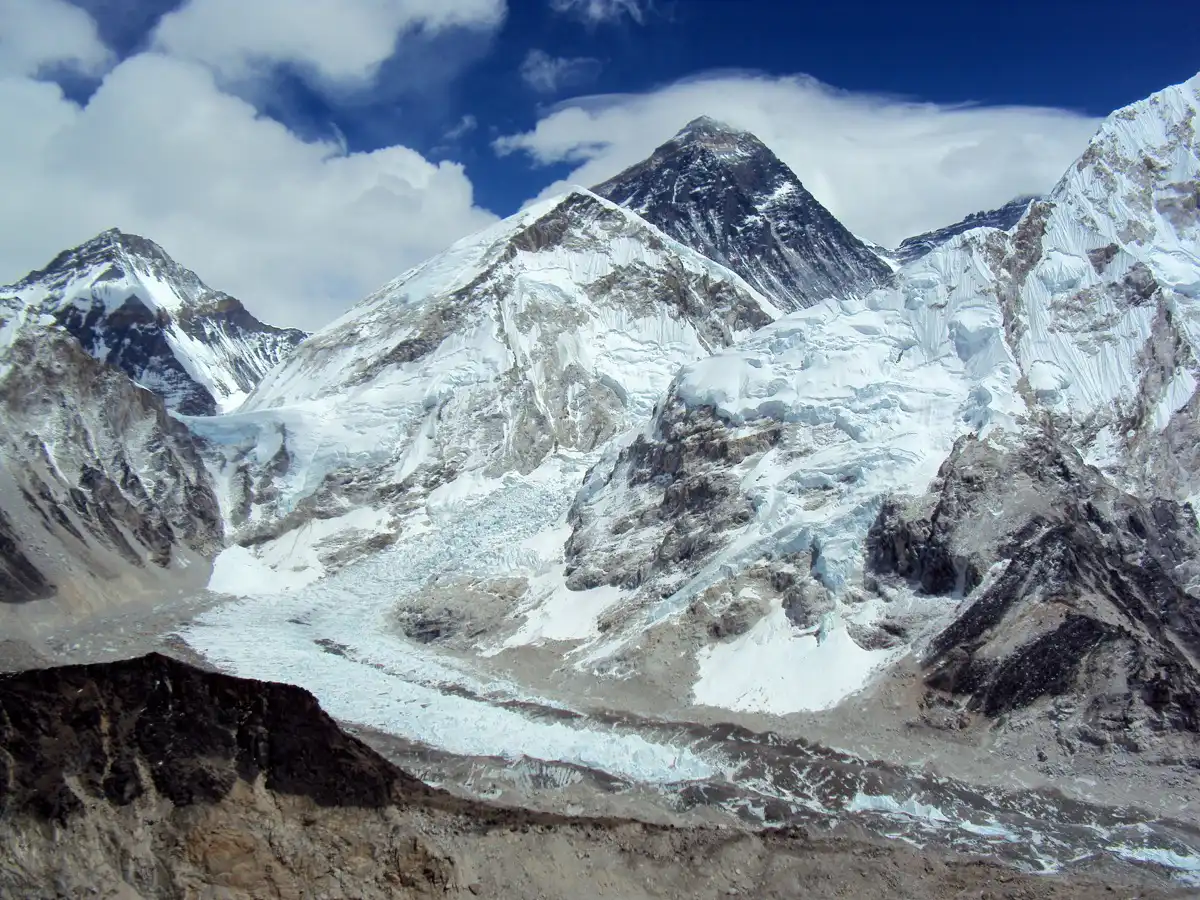
Last Minute Booking For Everest Base Camp Trek

Blog

Last Minute Booking For Everest Base Camp Trek

Last Minute Booking for Everest Base Camp Trek offers a 12-day itinerary for the Everest Base Camp trek, providing a convenient option for last-minute bookings.…

Read the full post
Go to Link
sunset

Places

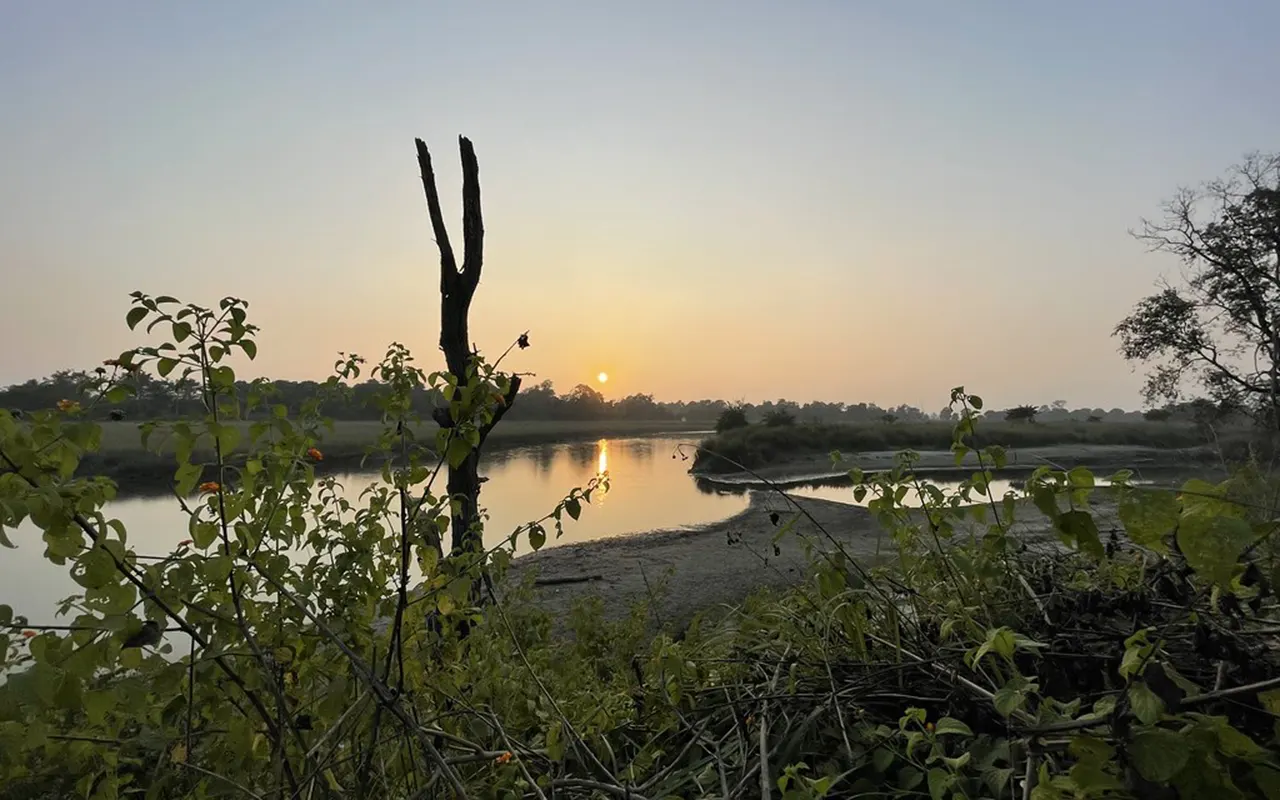
Bardiya National Park Vs Chitwan National Park – Which is Better?

Wildlife tourism in Nepal is expanding. Travelers are now looking beyond Himalayan trekking to explore Nepal and its diversity, making wildlife tourism grow rapidly. The…

Read the full post
Go to Link
Everest

Blog

Everest Climbing Routes: A Complete Guide to Every Way to the Summit

Mount Everest, standing at 8,849 meters, is the highest mountain on Earth. It is called Sagarmatha in Nepal and Chomolungma in Tibet and has been…

Read the full post
Go to Link
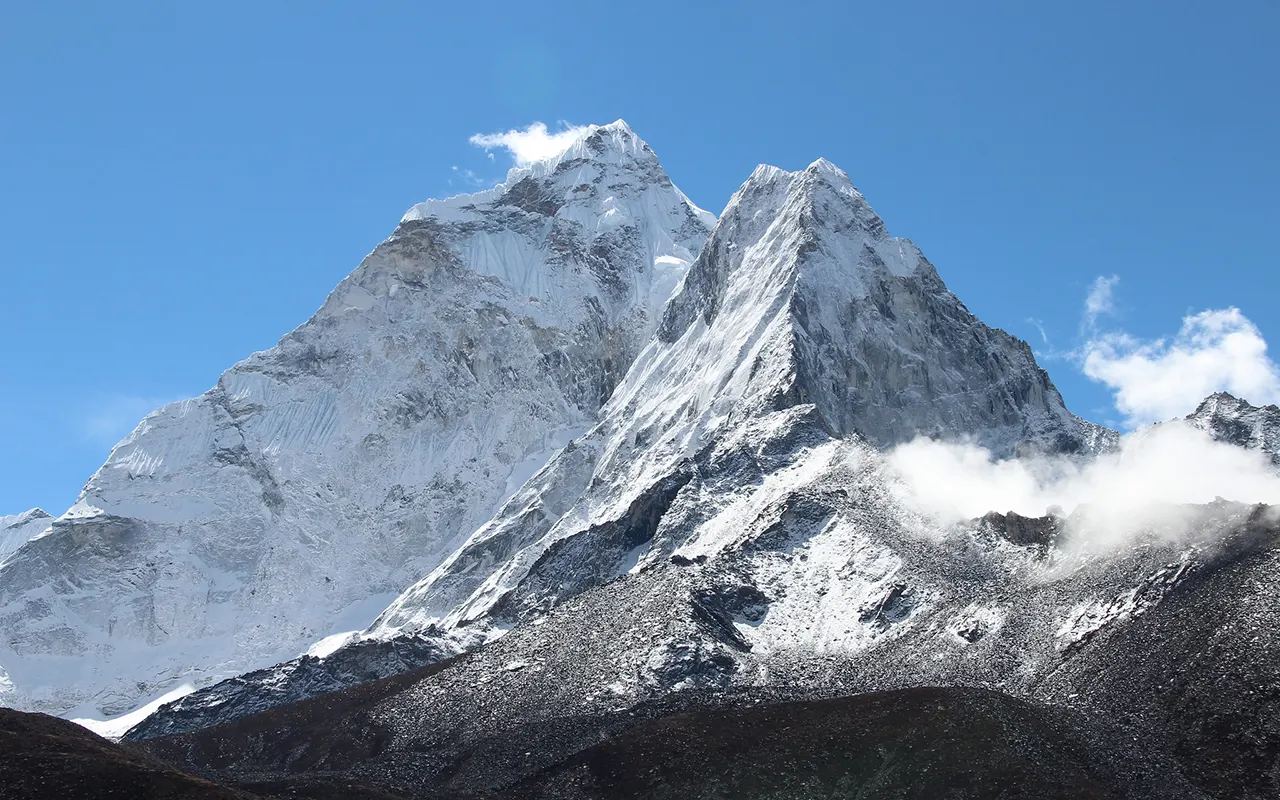
Animals That Live On Mount Everest

Blog

Animals That Live On Mount Everest : Wildlife of the World’s Highest Mountain

Introduction: Life Above the Clouds Mount Everest, the highest peak in the world with an altitude of 8849m, is often depicted or imagined as a…

Read the full post