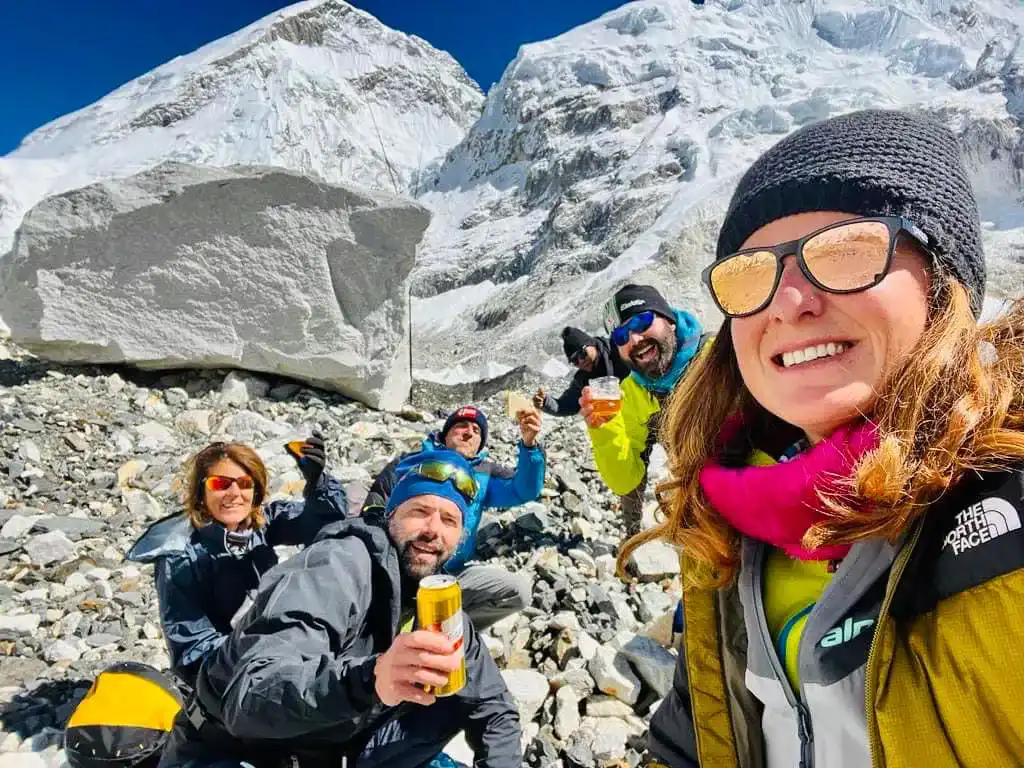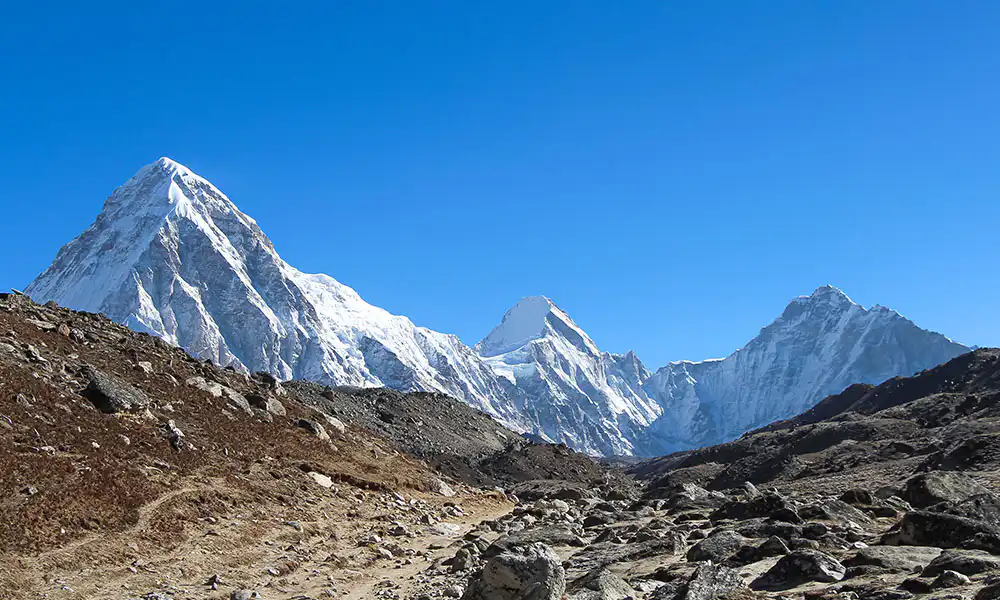
The Everest Base Camp Trek is considered a moderate alpine-level trek. This mainstream trekking adventure in the eastern Himalayas can be regarded as one of the milder forms of adventure, with no technical sections that the trekkers need to overcome, nor is the journey physically strenuous and challenging. The actual success rate of the 14-day Everest Base Camp Trek with My Everest Trip is 95% to 98%. Trekkers who have been well-prepared for this classic Himalayan journey have been able to complete the exhilarating trekking route with a Life-Changing Experience easily.
However, “Path to Everest” directly focuses on the journey to the legendary Base Camp. This iconic trekking prospect in the Himalayas remains a remote and high-altitude adventure, and several factors must be considered if you plan to traverse this mainstream route.
Altitude Sickness
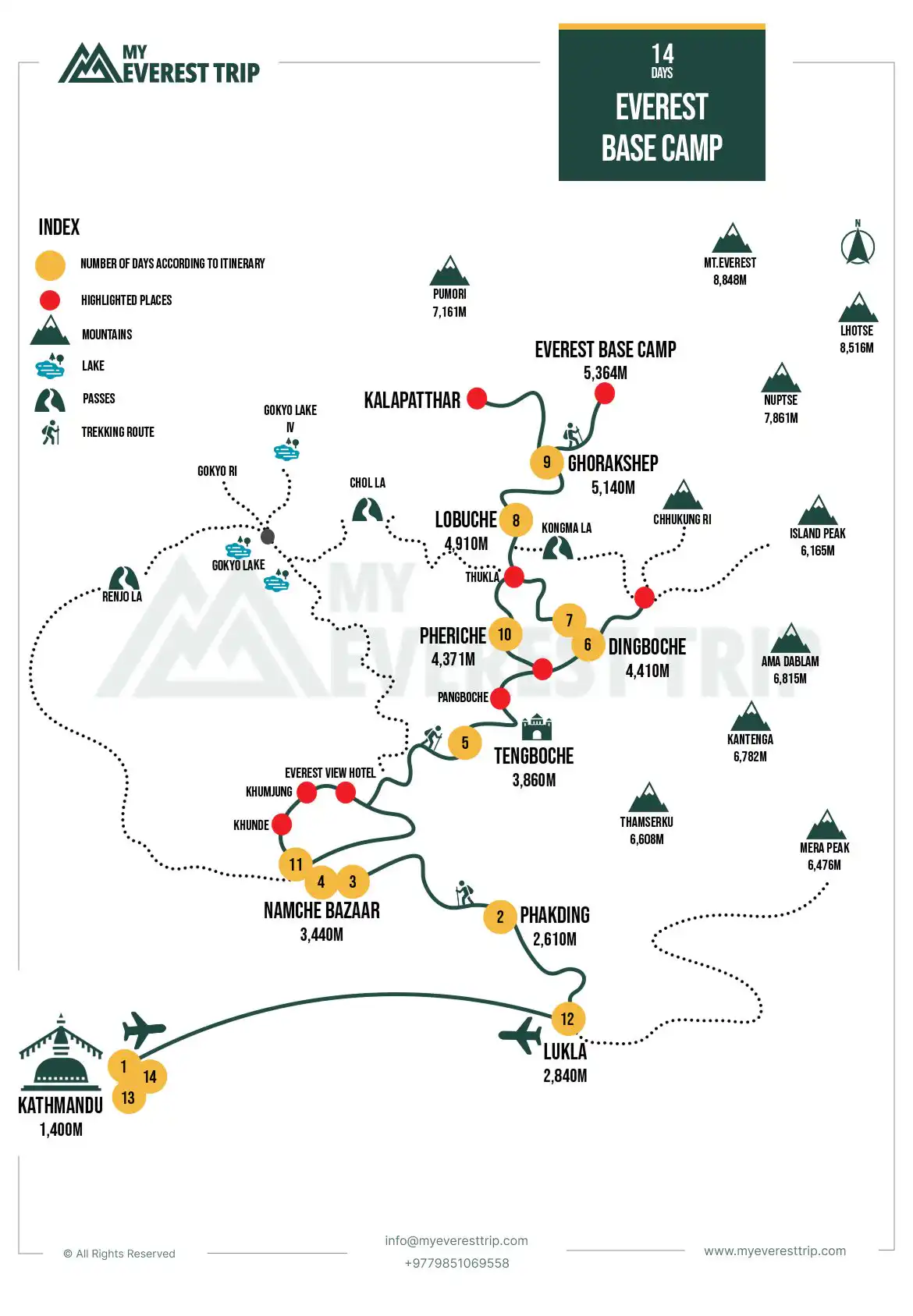
Altitude sickness is one of the most prominent challenges of any high-altitude journey. After ascending to an altitude of 2,500 meters, if you don’t acclimate properly to the new altitude, there is a risk of altitude sickness. During your 14-Day Everest Base Camp Trek, you will start your trekking adventure from Lukla (2,800 meters); you will then gradually start ascending on the high-altitude route across the alpine zone (above 4,000 meters) and trans-Himalayan zone (above 5,000 meters).
You will reach the highest elevation point of this trek at Kalapatthar (5,545 meters); thus, the overall altitude gain from the starting point will be about 2,745 meters (9,005 feet). Therefore, you must be very careful about the risks and symptoms of altitude sickness and follow appropriate precautionary methods to keep yourself safe.
Trekking Distance
You will need to walk an overall trekking distance of 130 km (80 miles) in your 14-day Everest Base Camp Trek, including the trek to base camp and the return trek to Lukla. On average, you will have to trek for 6 to 7 hours every trekking day. You must traverse the route’s rugged, remote, and rocky trails, which gradually take you to higher altitudes. Trekking for long hours, where you also have to carry your backpack, can be a physically demanding endeavor, and you need to be prepared for it.
Acclimatization Period
The acclimatization period is a crucial factor in any high-altitude journey, as it significantly determines the comfort level and well-being of the trekkers. If your trekking package includes an adequate acclimatization period, allowing you to adapt to the new altitudes, the journey will not feel physically taxing. With enough rest and acclimatization procedures, the risk of altitude sickness and other sicknesses during your exploration is also significantly reduced. For the high-altitude journey, travelers are not recommended to ascend to a significant altitude of over 500 meters in a single day.
Remoteness
Even if this is a mainstream base camp adventure, the Himalayan region is one of the country’s most remote and underdeveloped areas. The infrastructural and technological development of the area is at a bare minimum. Although you will enjoy moderate to luxurious amenities in the lower area, they are pretty basic at the higher altitudes. As you ascend to a higher elevation point of the trek, the trails become more rugged, teahouses are fewer in number, services and amenities are limited, and basic facilities like internet and electricity are not adequately available. Thus, you will have to be prepared for the remoteness factors of the trip, which will go beyond your comfort zone.
Is EBC Trek Challenging?
Everest Base Camp Trek is a popular destination in Nepal, but trekkers often believe it is not as challenging as other treks in the country. In this country, numerous high-altitude remote treks, such as Kanchenjunga, Dhaulagiri, Annapurna Circuit, Upper Mustang, and Upper Dolpo treks, are more complex than the EBC trek.
However, the Everest Base Camp Trek is still an altitude trek and poses some challenges even for veteran trekkers. If you are a beginner, you must prepare for the EBC trek. Factors such as high altitude, long duration treks, rugged terrain, changes in weather, risk of altitude sickness, remote areas, and a lack of infrastructure make the EBC trek even more challenging.
Food and Accommodation During the Everest Base Camp Trek
Foods
Food is a basic necessity for people, and it becomes even more critical when trekking in high-altitude remote areas like the Everest Base Camp Trek. On these treks, the trekkers will have meals three times a day: Breakfast, Lunch, and Dinner. So, I’d like to look at your food options during your trek.
- You will enjoy a variety of breakfast delicacies, including chapati, Roti, Eggs, Tea, sandwiches, and bread.
- For Lunch and Dinner: Different Types of Delicacies from local Nepali Dal Bhat, Dhindo, Pizzas, Burgers, and Dumplings. Etc.
Accommodation
The trails to Everest Base Camp have many lodges and tea houses. This means you won’t need to sleep in tents. Along the route, you can find basic but comfortable accommodations. These places provide rooms where tired trekkers can rest and recover. The rooms usually have a bed, a mattress, a blanket, and a pillow.
For added comfort, we recommend that you bring a good sleeping bag. Regarding accommodation on the high-altitude trek, you will stay in either teahouses or lodges, which are less modern or do not have high-standard facilities. In those teahouses, you will get small, expansive rooms with twin beds, which you must share with other trekkers, and attached bathrooms and sinks.
Internet Facilities During EBC Trek
Everest Link offers Wi-Fi cards to stay connected with friends and family during the EBC Trek. You can easily find these cards at various stops along the trail, and the connection is smooth and reliable. There are two free hotspots on the trek: Lukla and Namche Bazaar. You can also use a SIM card with a data package anywhere.
This connection works well for video calls, sending messages, and uploading files. If you are homesick and want to stay connected with your family and friends back home, ensure you have a local SIM card to purchase a regional plan, a local time zone, and set your location. This will provide cheap internet, with a decent connection until a certain altitude.
Everest Base Camp Trek in Different Seasons
The thrilling 14-day Everest Base Camp Trek is an iconic Himalayan adventure in the eastern Himalayas that can be undertaken throughout the year. However, as this trek isn’t like a mountain expedition and doesn’t require navigating across the alpine slopes, the trails are not easy, even during the off-season.
However, unlike the peak seasons with stable climatic conditions and stable trekking routes, the off-season challenging weather factors can contribute to the overall difficulty grades. Here is what you can expect during this incredible base camp trekking adventure during different seasons.
Spring Season (March, April, and May)
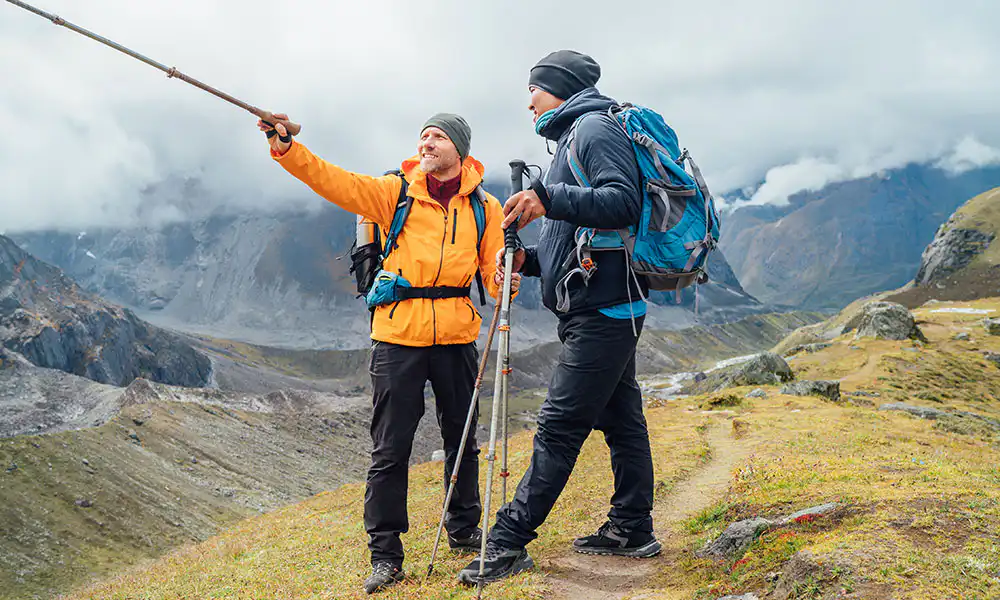
The spring season is one of Nepal’s most popular seasons for trekking and exploration. This season’s incredible natural beauty makes exploring the mystical Himalayan region a magical experience. This peak season also offers stable climatic conditions, easy-grade dry trekking trails, and clear visibility to take in tranquil Himalayan vistas. The entire landscape of the lower trekking region during this season is lush and vibrant.
Bright rhododendrons and other wildflowers add colorful vibrance to the trekking region, making every day-to-day trek a spectacular experience. The temperature of the Everest region during this natural peak season is approximately 20°C during the daytime. On warmer days, the temperature in the trekking region can rise to 25°C. Still, the temperatures can fall to 15°C in the alpine and tundra zones at night.
Monsoon Season (June, July, and August)
The monsoon season is considered one of Nepal’s most challenging seasons for Himalayan trekking adventures. This season marks the peak of summer, and the continuous rainfall can impact itinerary plans and the spirit of exploration. Similarly, due to the heavy rain, flights during this season can be postponed or canceled. So, you should plan with a few extra contingency days to avoid rushing your excursion.
The monsoon season is the high point of the summer season in Nepal; the temperatures of the Everest region during this season can range between 23°C and 25 25°C. During the peak, the maximum temperature threshold can reach 30°C to 32°C. However, it is still colder in the alpine zone and above, so the temperatures are milder and can drop to as low as -5°C.
Autumn Seasons (September, October, and November)
The autumn season in Nepal is considered the number one season for trekking and Himalayan expeditions. It’s at the top even among the high seasons because it accommodates travelers with its pleasant temperatures and most stable climatic conditions throughout the year. Autumn has a shallow precipitation rate, which means the possibility of the occasional light rainfall can make the trekking experience unpleasant is close to nil.
During this harvest season, the Himalayan country celebrates some of the most spectacular festivals, including Dashain, Tihar, Mani Rimdu, Indra Jatra, Pachali Bhairab, and Sita Bibaha Panchami. The autumn season has the most suitable temperatures, and during your trekking adventure this season, you will neither feel too cold nor too hot. The temperature in the trekking region during autumn averages around 17°C only, and on the warmer days, the temperatures can rise to 20°C, but not too hot.
Winter Season (December, January, and February)
Spring is nature’s peak season, and autumn is the high point of nature’s foliage, but when is the Himalayan region at its peak? Yes, the majestic Himalayan region reaches its pinnacle during the winter, transforming the entire landscape into a winter wonderland. Of course, even navigating your way across the treacherous trekking trails covered with blankets of snow can be a physically demanding task, not to mention the careful considerations for staying warm and the complex acclimatization process due to freezing climatic conditions.
The winter season isn’t definitely for travelers looking for a pleasant trekking experience. The Everest Base Camp Trek during winter is a challenging endeavor where the weather conditions and other difficulty factors of the trip are at their peak, leaving the pleasures of the high seasons behind at their optimum. So, suppose you want to explore the winter wonderland that covers the entire foothills of the Himalayas. In that case, you must carry extra heavy gear and layers, put in more physical effort, and carefully monitor your health conditions to keep yourself safe during this iconic Himalayan adventure.
The coldest period in the Himalayas is winter, with freezing climatic conditions. The temperatures in the lower Everest regions generally average around 10°C and can rise to 16°C on warm days. However, as you ascend to higher altitudes, the temperatures gradually drop to -20°C and lower at the alpine zones.